The term “Ergonomic” refers to the study or practice of designing products, systems, or processes to take proper account of the interaction between them and the people who use them.
The primary goal is to create environments, tools, and workflows that fit the user, rather than forcing the user to adapt to them.
This includes optimizing everything from the physical layout of workstations and the design of furniture and tools to the organization of work processes, all with the aim of improving efficiency, productivity, and comfort, while reducing the risk of injury or strain.
Ergonomics integrates knowledge from various disciplines including biomechanics, psychology, industrial design, and physiology to achieve these objectives.
What Does “Ergonomic” Mean in the Context of FTM Packers?
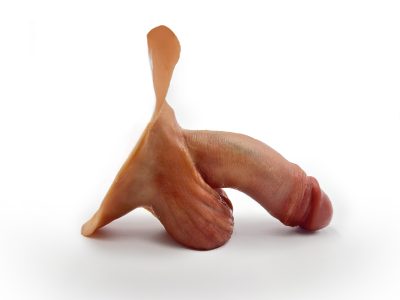
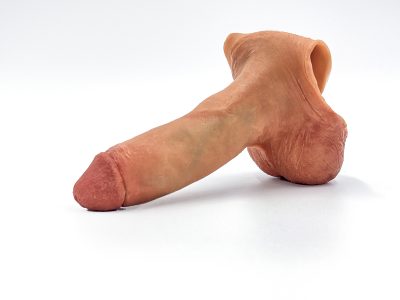
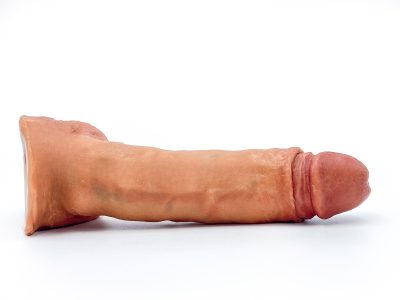
Ergonomic refers to the design principle aimed at optimizing comfort, efficiency, and functionality by aligning with the body’s natural movements and shapes. When applied to FTM packers, ergonomic design focuses on several key areas:
- Shape and Texture: Ergonomically designed packers are crafted to mimic the natural shape and texture of cisgender male genitalia. They often use soft, skin-like materials such as silicone or elastomer, which feel more realistic and comfortable against the skin.
- Weight Distribution: These packers are weighted and balanced to sit comfortably in the underwear without causing strain or discomfort.
- Anatomical Conformity: An ergonomic packer conforms to the unique contours of an individual’s body, ensuring it stays in place throughout the day. This feature is particularly important for active users who need their packer to move naturally with them.
- Secure Placement: Many ergonomic packers are designed to fit snugly into specialized harnesses or underwear with pockets, reducing the risk of shifting or falling out.
- Ease of Use: Ergonomic packers are straightforward to insert and remove, making daily use hassle-free. Their design allows for quick adjustments without needing constant readjustment.